


Case Studies
Living With A Brain Injury:
Individualizing head and trunk support
Elizabeth: Anoxic Brain Injury | Female | Age 47
Case study contributor: Heather Price, Stealth Regional Manager
For Elizabeth, a long-term wheelchair user with an anoxic brain injury, seating review focused on the fit of her head and trunk supports and her tolerance of lateral support. An updated Stealth Products i2i and adjustments to her existing seating were followed by caregiver-reported improvement in positioning. This case describes the intervention and early follow-up rather than a measured long-term outcome.
Patient Background
Elizabeth sustained an anoxic brain injury approximately 33 years before this seating review. Her sister has been her caregiver since Elizabeth was 34. Elizabeth is a long-term tilt-in-space wheelchair user and has used Solara frames for her current and three previous wheelchairs.

Assessment
Her documented setup included Invacare Contour U molded seating, a left gel-padded armrest, a four-point pelvic belt, chest harness, calf panel, shoe positioners and an i2i head support with lateral swing-away supports. Her caregiver reported that the i2i had been the most effective head support she had used. With a previous ACP headrest, Elizabeth could hook her head underneath the support, limiting its effectiveness.
The existing lateral swing-away supports were used mainly during transport, according to her caregiver. Elizabeth did not tolerate them throughout the day and attempted to push away the right-side support during the visit. Fitting priorities were to support her head and trunk while accounting for this response and to review how the backrest and harness worked with the head support.
Intervention and Equipment Trial
Stealth i21 and seating adjustments
An initial review of Elizabeth’s seating and background was documented on March 3, 2026. On April 28, 2026, she received a new standard-profile Stealth i2i with an occipital ledge, gel, swing-away arms and bilateral lateral swing-away supports. The backrest was raised approximately 2 inches, and strap risers were added to improve overall trunk support and chest harness positioning.
Clinical rationale
The i2i offers suboccipital support, with occipital contact depending on configuration. Its anterior arms are designed to encourage midline head positioning and help prevent hooking beneath the support. These features relate directly to Elizabeth’s documented history with her previous headrest. Swing-away components allow support to be moved aside when needed. In this case, her response to the right-side lateral support remained an important consideration in fitting. [1, 2]
The backrest and strap-riser changes addressed the relationship between trunk support and harness placement.
Initial outcomes
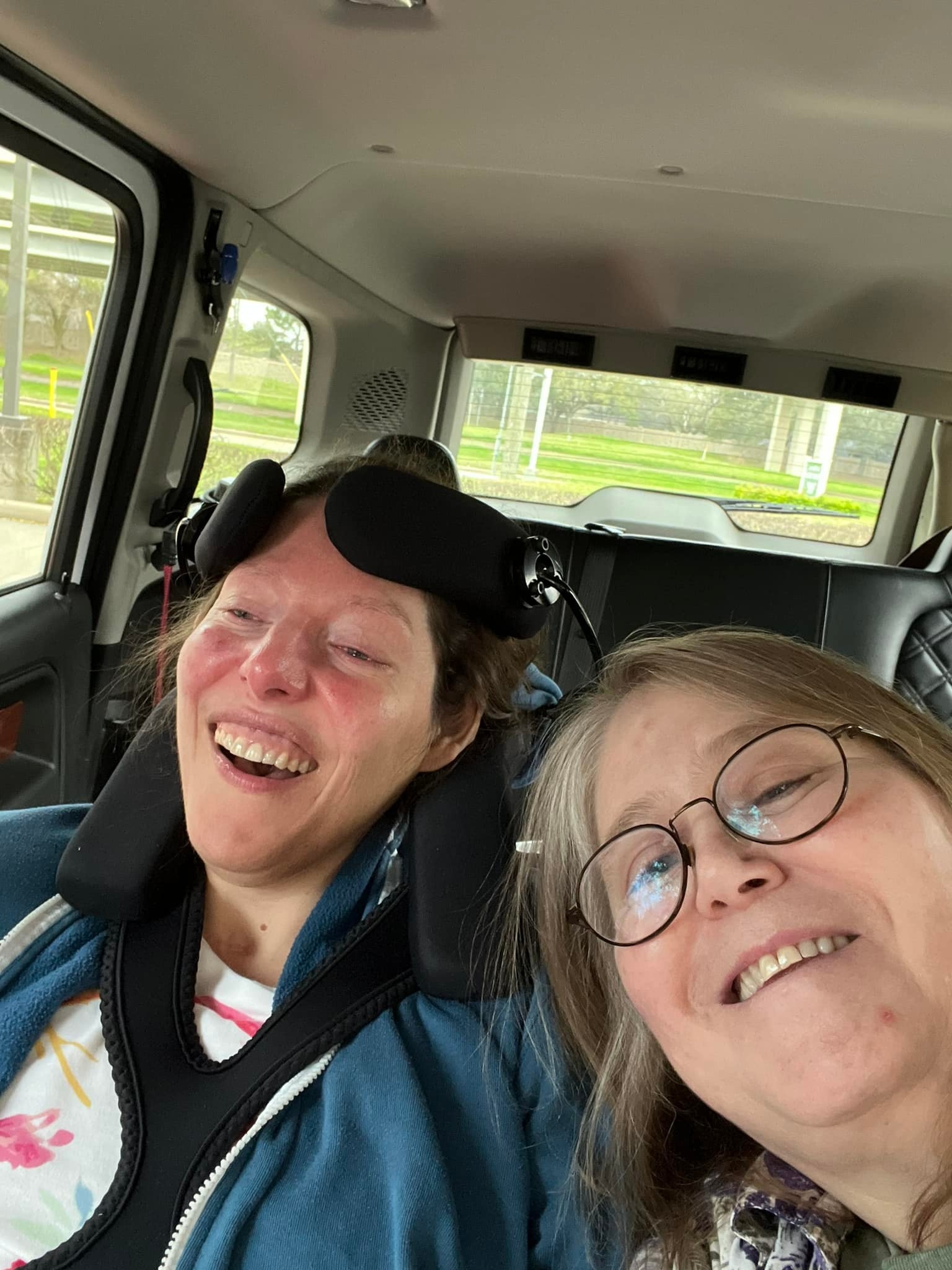
After the intervention, Elizabeth’s caregiver sent a photograph following 10 hours of i2i use to illustrate improved positioning. This is a caregiver-reported early response; the photograph was referenced in the notes but was not included in the supplied document. No standardized posture, comfort or skin assessment results were provided.
EPiC trial
While her wheelchair was being worked on, Elizabeth sat in a Stealth EPiC system and reportedly tolerated it well. EPiC uses stationary pelvic support and a moving thoracic segment to accommodate postural changes. This brief experience supports further evaluation only. The notes describe a possible follow-up for custom seating or an EPiC setup, pending approval; a permanent prescription or installation was not documented. [3]
Relevance to Quantum Rehab
Quantum Rehab’s product offerings include Stealth Products cushions and positioning components. Elizabeth’s case illustrates individualized use of a Stealth head support within an existing seating system. Her documented wheelchair is a Solara tilt-in-space chair; no Quantum power base or power seating system was trialed or supplied in this case. [4]
Sources
Case facts: supplied clinical notes dated March 3 and April 28, 2026, and the caregiver follow-up described in those notes. Product descriptions: official manufacturer resources below, accessed October 19, 2026.
[1] Stealth Products i2i head and neck positioning system
[2] Stealth Products swing-away system
[3] Stealth Products EPiC seating
[4] Quantum Rehab product portfolio